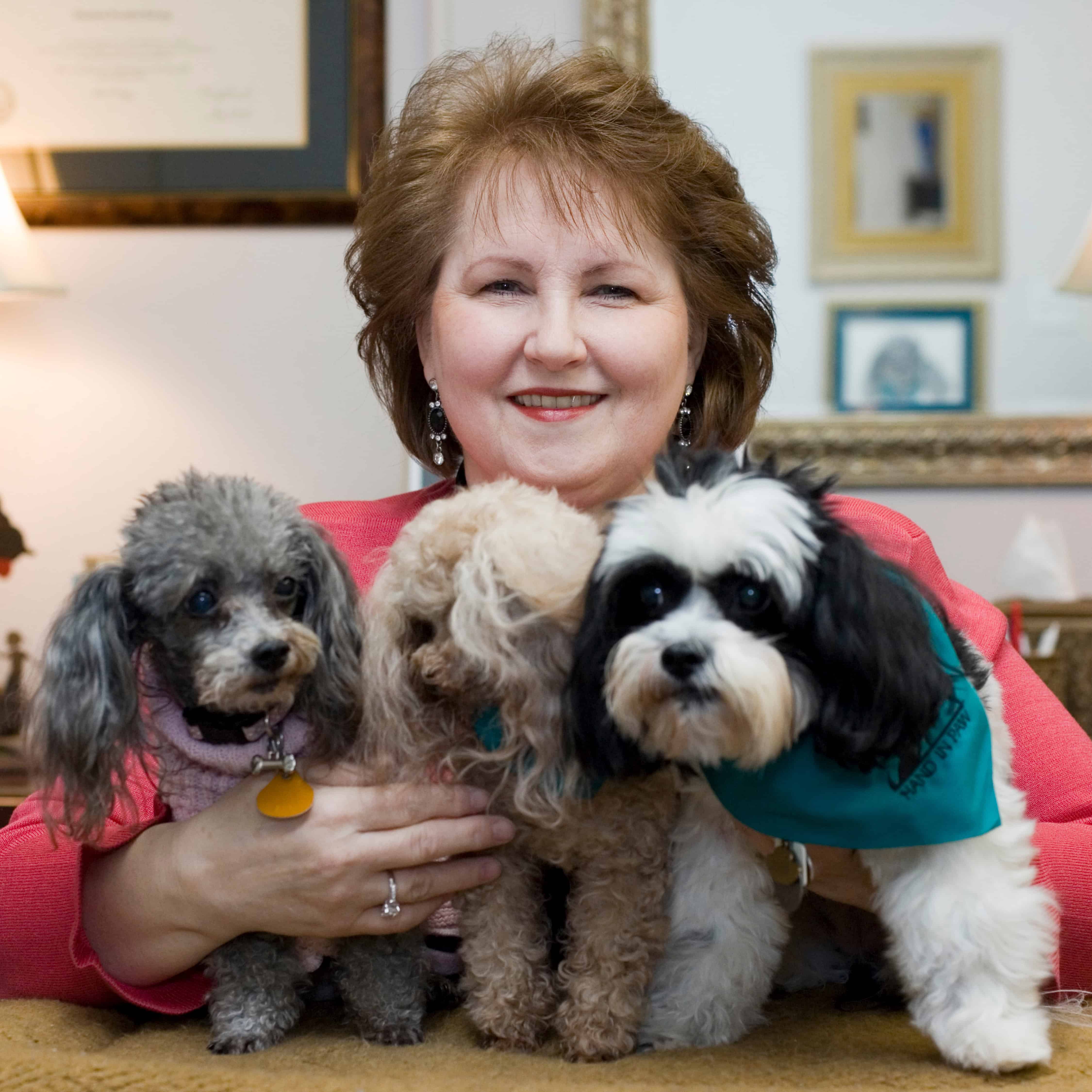
In 1996, Animal-Assisted Therapy existed on a very limited number of radar screens, and it certainly wasn’t being used in Birmingham, Alabama. Soon after our founder, Beth Franklin, created Hand in Paw, Animal-Assisted Therapy Teams became a familiar sight in area hospitals, schools, nursing homes, and rehabilitation facilities.
From Hand in Paw’s earliest days as a 501(c)(3) organization, Franklin and the Board of Directors shared a vision of excellence. Great attention was paid to the training and evaluation of all volunteers and their animal partners. This attention to quality continues to be a mainstay of
Hand in Paw.
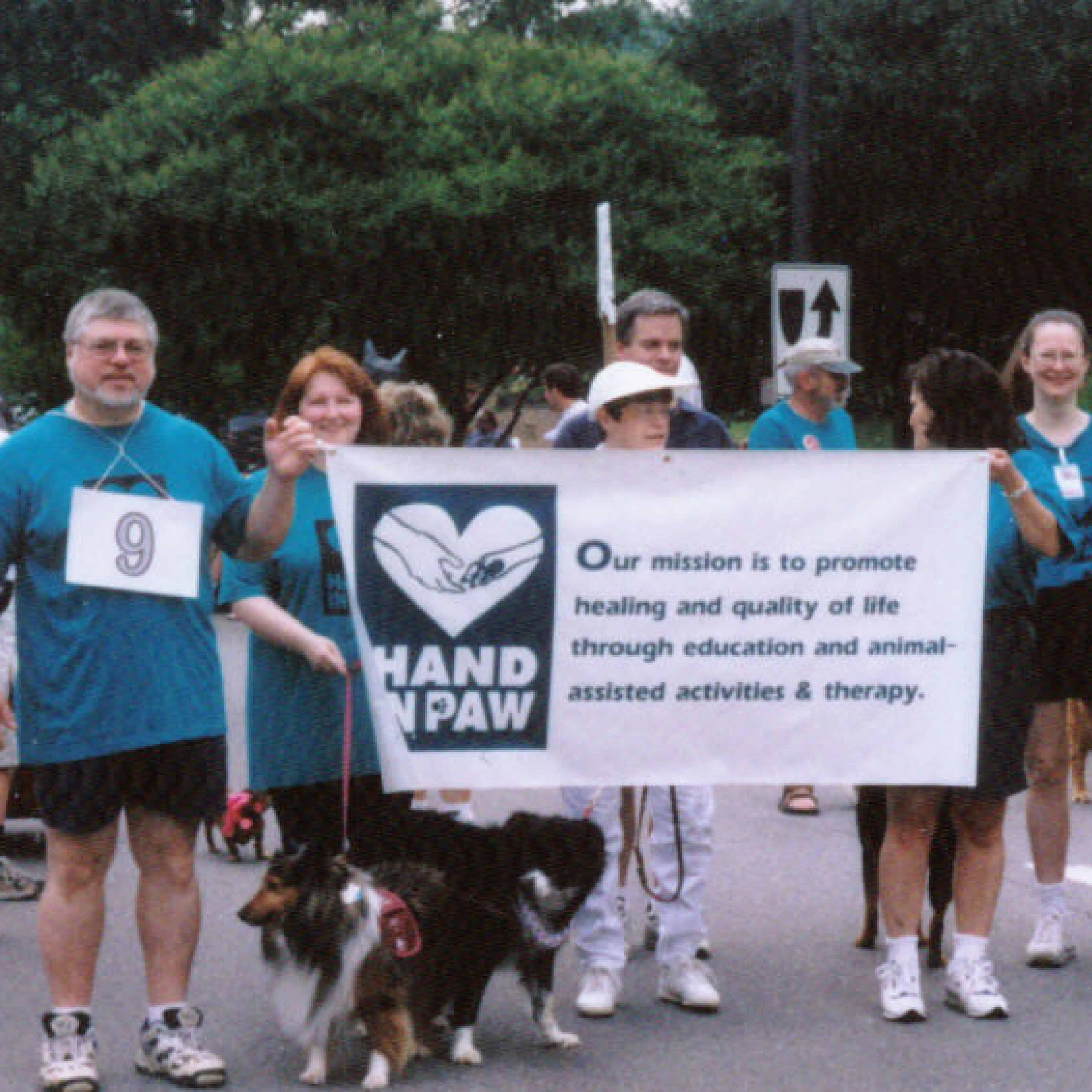
One woman struck out on a mission to design and build an organization that would, through the use of volunteer Animal-Assisted Therapy Teams, improve the health and well-being of people of all ages.
Today, more than 100 professionally-trained volunteers carry out that mission. Hand in Paw has been lauded as an exemplary organization in terms of financial transparency, accountability, stewardship, and perhaps most importantly, an unselfish service to the community.
Improving Lives One Wag At A Time
Scientific research shows that Animal-Assisted Interventions support emotional, cognitive, and physical well-being at all ages.
We collaborate with more than 125 healthcare facilities, schools, and other organizations across Central Alabama and Tuscaloosa.
Our work is made possible through relationships with program partners, volunteers, and donors who believe in our mission.
Check out our most recent annual report! Get caught up on all we've been up to this past year. We think you'll be pleased
Here are just a few of the ways pets improve health — for pet owners and those visited regularly by therapy animals, alike:
Animal-assisted therapy offers meaningful physical benefits for people of all ages. Interacting with therapy animals can encourage movement, reduce stress, promote relaxation, and support overall wellness. Explore the topics below to learn how these interactions can positively impact physical health and recovery.
Animal-Assisted Therapy helps release endorphins that manipulate perceptions of pain and stress
Petting a dog can be relaxing, which is measured by a slower heart rate and a drop in blood pressure
Playing with animals emits important hormones and neurotransmitters in the brain that promote proper body function and rebuild strength
Owning a dog can help reduce the risk of asthma
Dog owners are more likely to survive heart attacks than non-pet owners
People with dogs have been found to have lower cholesterol and triglyceride levels when compared to people who do not
The presence of a dog can ease the effects of Alzheimer’s disease
Animal-assisted therapy also provides powerful emotional support by helping reduce feelings of stress, anxiety, and loneliness while encouraging confidence, comfort, and meaningful social connections. Select a topic below to discover how therapy animals can make a lasting emotional impact.
Animal-Assisted Therapy increases the body’s level of oxytocin, which boosts happiness, improves empathy and promotes a happier life
Animal companionship can lower the level of cortisol, a hormone associated with stress, in the body and increase serotonin, a chemical associated with well-being
Elderly people with dogs are better able than non-pet-owning elderly people to cope with daily activities
A bond between a pet and human is one of unconditional love, which can teach and support feelings of self worth and value, especially in children
For those who may feel like detaching from normal social activity, Animal-Assisted Therapy can relieve feelings of social isolation
Animal-Assisted Therapy provides the opportunity for individuals to interact, engage and socialize with both the pet and its owner
Especially in children, Animal-Assisted Therapy is a great way to release excess energy for better concentration
Children who have dogs tend to be more self-reliant, sociable, and less selfish than children without pets
The sensory stimulation involved in animal companionship can help to calm and relax individuals in new social environments
Owning a dog gives isolated people a routine, a sense of purpose, and a sense of fulfillment that helps prevent depression and loneliness
Hand in Paw’s professional staff leads the day-to-day work that makes our programs possible: training volunteers, coordinating programs, building partnerships, and managing operations. Together, we work to ensure reliable delivery of Animal-Assisted Therapy across the communities we serve.
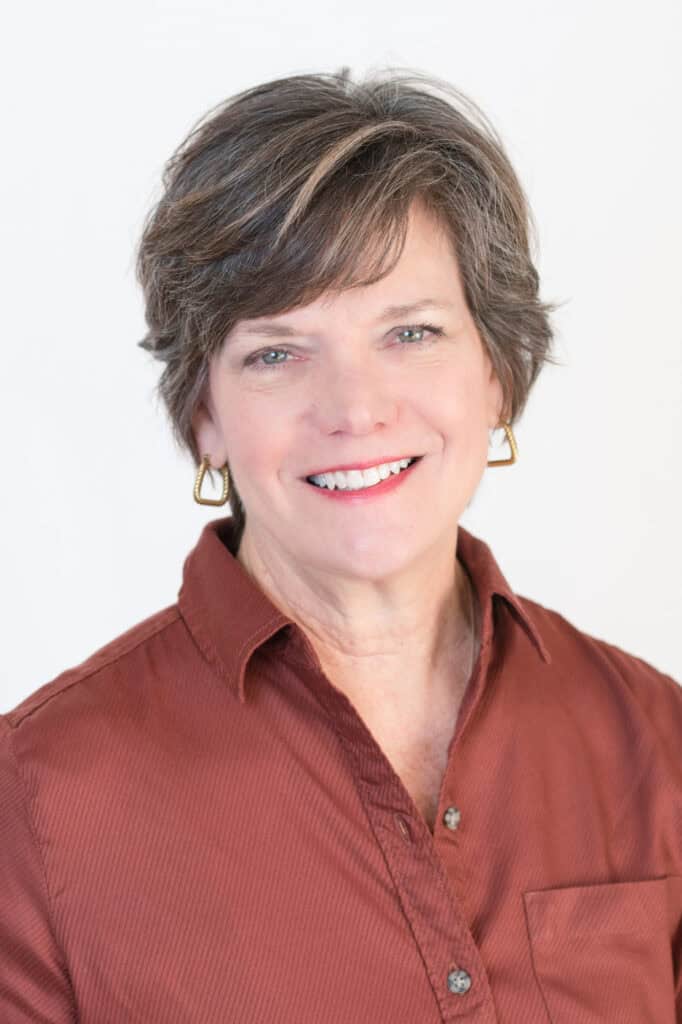
Grants Manager
Grants Manager

Project Coordinator
Project Coordinator

Tuscaloosa Manager
Tuscaloosa Manager
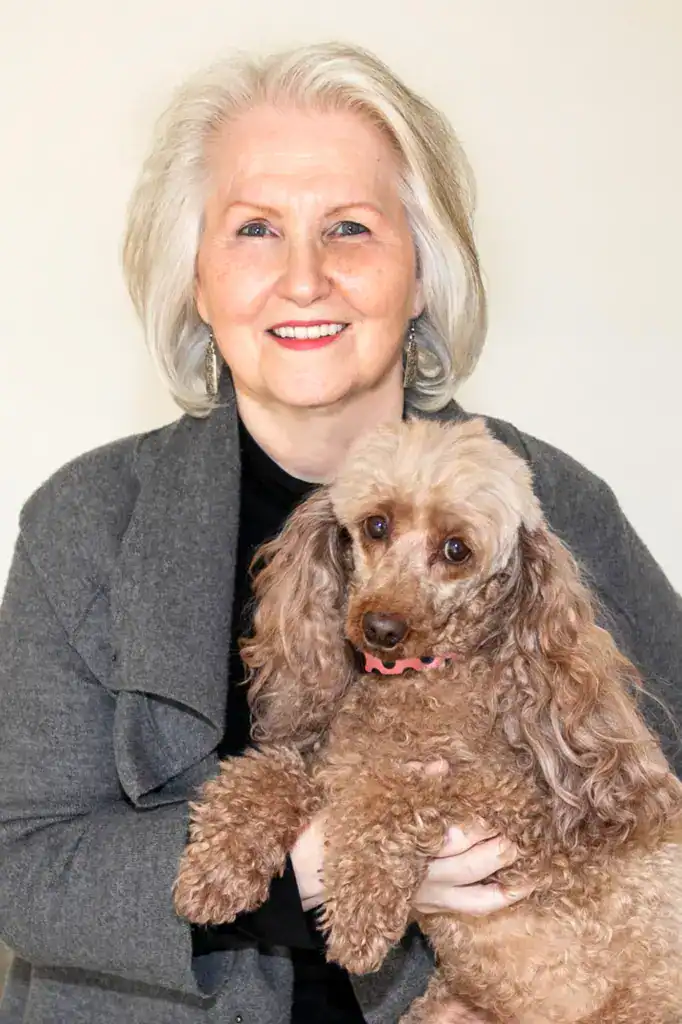
Founder Emeritus
Founder Emeritus

Director of Advancement
Director of Advancement

Executive Director
Executive Director
Email Margaret.

Volunteer and Programs Director
Volunteer and Programs Director
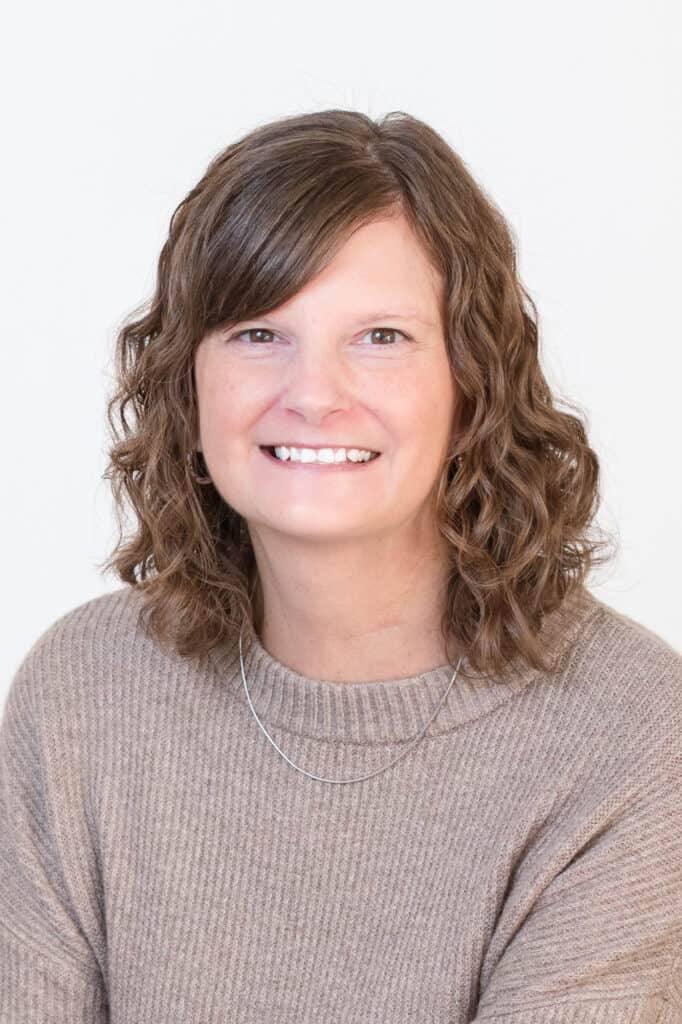
Assistant Director
Assistant Director

Administrative Volunteer
Administrative Volunteer

Hand in Paw is guided by a distinguished group of leaders from across business, healthcare, and the community who provide strategic direction, governance, and support to advance our mission and expand our impact across Alabama.
Interested in serving on Hand in Paw's Board of Directors? Contact Margaret Stinnett to learn more.
President
Children’s of Alabama
Vice President
CSX Transportation
Treasurer
BMSS Advisors
Secretary
Community Advocate
FMT Travel
Hand in Paw’s Junior Board is a dynamic group of emerging leaders who support our mission through community engagement, fundraising, and advocacy, helping expand awareness and ensure our services remain accessible to those who need them most.
PRESIDENT
Synovus
VICE PRESIDENT
Deborah Michelle Photography
SECRETARY
Miller Christie & Kinney, P.C.
Southern Company
Birmingham Zoo
Ernst & Young
Guffin & Eleam, Inc.
Synovus
Magic City Wellness Center
Apt Companies
Student
Alabama Media Group
The Bark Park
Regions Bank
Veterans Affairs
Kassouf & Co.
Forvis Mazars
FireRock Building Materials
Warren Averett
McWane Science Center
Regions Bank
Click the button below to fill out your application, and someone from the Nominations Committee will be in touch! If you have questions, please reach out to Michael Hansen.