Loneliness Is a Public Health Issue. Connection Belongs in the Care Plan.

TALES BLOG / Loneliness Is a Public Health Issue — and Connection Belongs in the Care Plan

This article is the second installment in The Comfort of Connection, a Hand in Paw blog series exploring the health and well-being challenges affecting people everywhere, and how Animal-Assisted Interventions can be part of a compassionate, evidence-informed response.

Loneliness can show up in a crowded classroom, a busy hospital, a full office, or a family gathering where someone still feels unseen. It does not always look like someone sitting alone in a quiet room. It does not always announce itself. And it is not always easy to recognize, even in ourselves.

Loneliness is not simply being alone. It is the feeling of being disconnected, unsupported, or without the meaningful relationships we need. Social isolation is different, but related. It refers more directly to having limited relationships, contact, or support from others.

Both matter, and both are increasingly recognized as serious public health concerns.

Connection Is More Than a Nice Idea

For years, loneliness was often treated as a personal problem: something private, something emotional…something people should simply “get over” by getting out more, joining a club, or calling a friend. Yet the research tells a much more serious story.

The U.S. Surgeon General has identified loneliness and social isolation as major public health issues. The Centers for Disease Control and Prevention reports that social isolation and loneliness are widespread in the United States and can increase the risk of serious mental and physical health conditions, including depression, anxiety, heart disease, stroke, dementia, and earlier death.

Those risks are not just statistical. They play out in real people’s lives — in the patient who recovers more slowly without visitors, the older adult who skips meals because eating alone has lost its appeal, the worker who does not mention how much they are struggling because there is nowhere to mention it. The science reflects something most of us understand intuitively: people need each other.

When people feel connected, supported, and seen, they are better able to manage stress. They may sleep better, cope better, and feel more resilient. Social connection can also support healthier choices and improve overall well-being. In other words, connection belongs in the conversation about health.

Loneliness Can Affect Anyone

Loneliness does not belong to one age group or one life stage. Older adults may experience loneliness after the loss of a spouse, retirement, changes in mobility, health challenges, or separation from family and friends.

Young adults may feel isolated despite constant digital connection. Students may feel alone in the middle of academic pressure, social stress, or emotional uncertainty.

Patients may feel lonely during hospitalization, treatment, recovery, or long stretches away from normal routines. Caregivers may feel emotionally exhausted while supporting everyone but themselves.

Employees may feel disconnected in workplaces where productivity is high but real connection is low, and healthcare workers, teachers, and first responders, the very people others lean on most, are no exception.

Loneliness is not always about the number of people around us. Sometimes, it is about whether we feel known, valued, and supported.

Why It Matters in Alabama

In Alabama, this issue is especially important because many of the factors that can increase loneliness and social isolation are part of everyday life for people in our communities.

Rural communities may have fewer nearby services or gathering places. Transportation can be a barrier. Health challenges can limit mobility. Low income can reduce access to social opportunities. Caregiving responsibilities can make it harder for people to maintain friendships and community ties.

And for people already navigating stress, anxiety, depression, illness, grief, or trauma, loneliness can make everything heavier. That is why community-based support matters.

Not every solution happens in a doctor’s office. Not every meaningful health intervention looks clinical. Sometimes support happens in a school hallway, a hospital room, a library, a workplace, or a senior community.

Sometimes it starts with a Therapy Animal walking through the door.

Where Animal-Assisted Interventions Fit

Animal-Assisted Interventions are not a replacement for medical care, mental health treatment, counseling, or crisis services, but they can be a meaningful complement to care because they help create moments of connection.

A Therapy Animal can make it easier for someone to start a conversation. A visit from a Hand in Paw Therapy Team can offer comfort without pressure. It can create a shared experience between a patient and a nurse, a student and a teacher, a resident and a volunteer, or a staff member and a colleague.

Animals have a remarkable way of lowering the temperature in a room. They do not ask for a diagnosis. They do not need someone to explain why they are sad, anxious, overwhelmed, or tired. They simply offer presence. For many people, that presence can open the door to connection, and those connections can be surprisingly powerful.

A quiet patient may begin talking about a beloved childhood pet. A nervous reader may feel safe practicing aloud beside a calm dog. A healthcare worker may pause for the first time all day. An older adult may smile, reach out, and remember a story they have not told in years.

Those moments may seem simple. They are not.

The Work Behind the Moment

It is important to say this clearly: Hand in Paw visits are not random acts of cuteness.

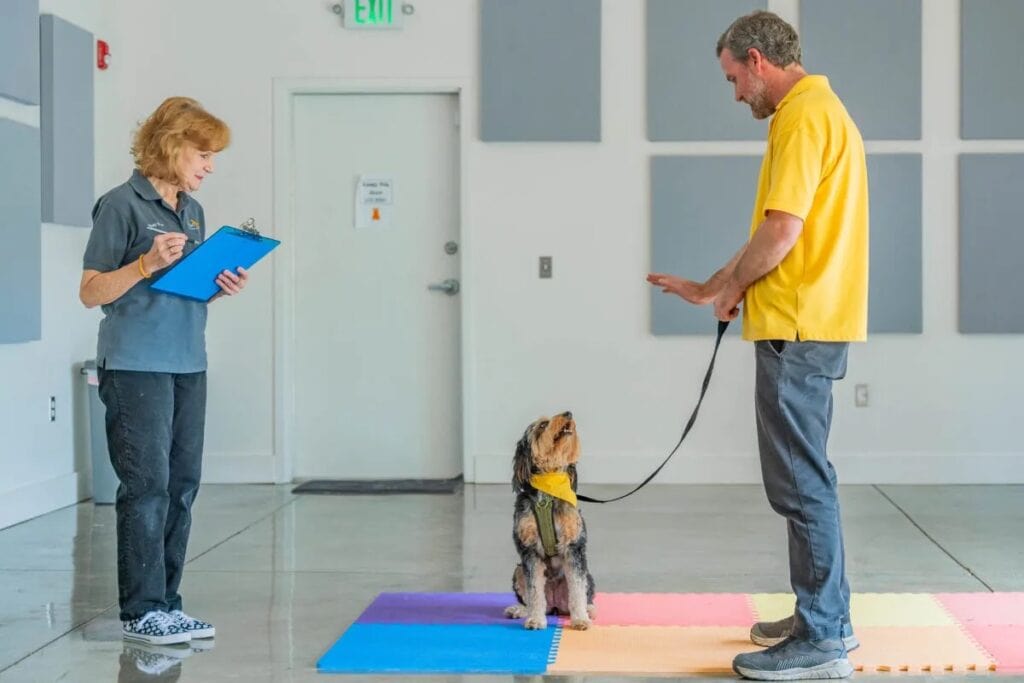
Our Therapy Teams are trained, our volunteers are prepared, and our Program Partners are carefully supported. Our work is rooted in the belief that animals and humans, working together with purpose and care, can help improve health and well-being.

That is what makes Animal-Assisted Therapy different from simply bringing a pet into a room. Hand in Paw Therapy Teams are there to support people safely, respectfully, and intentionally.

Connection Is Part of Healing

Loneliness and social isolation are complex. They cannot be solved by one visit, one program, one organization, or one cheerful dog in a golden scarf. But that does not mean the small moments do not matter.

A single moment of connection can interrupt a hard day. Regular visits can give someone something to look forward to. A trusted Therapy Team known by name can make a place feel warmer, safer, and more human.

In hospitals, schools, workplaces, and community settings, Hand in Paw sees every day that connection is not just pleasant. It is deeply human…and sometimes, it arrives on four paws.

Support the Work

Hand in Paw provides Animal-Assisted Therapy services free of charge to our Program Partners. Your support helps bring comfort, connection, and moments of calm to people across North Central Alabama and Tuscaloosa.

Donate Request a Visit Volunteer